What Does the immobilizer fault Nissan Warning Mean?
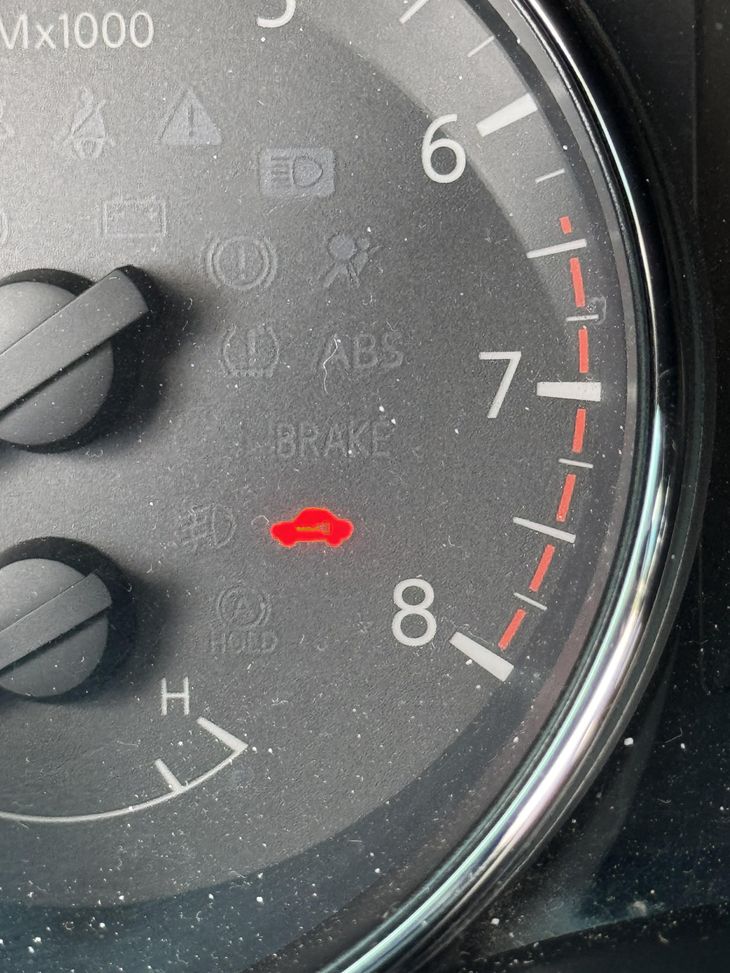
If you drive a Nissan and a small key symbol lights up on the dashboard, your first thought might be "did I leave the keys inside?" or "is this a door sensor?" In most cases, that warning is related to the immobilizer system, a security feature built into the car's electronics. When the system detects an issue, it can stop the engine from starting, leaving you stranded and puzzled.
Understanding what triggers this warning and how to respond to it can save you time, money, and frustration. This guide walks through the common causes of an immobilizer fault Nissan, what you can check on your own, and when it makes sense to call a specialist.
How the immobilizer system works in a Nissan
Modern Nissan vehicles rely on an electronic security system that prevents the car from starting unless it recognizes the correct key fob. Inside the fob is a small transponder chip that communicates with the car's ECU (engine control unit). When you insert the key or press the start button, the ECU sends a challenge signal. The transponder chip replies with a unique code. If the code matches what the ECU expects, the immobilizer system disarms and allows the engine to start.
This type of Nissan anti-theft system has been standard for years and is generally reliable. But like any electronic system, it can develop glitches, especially as the car ages or after battery changes, key fob drops, or aftermarket modifications.
What the key symbol on the dashboard really means
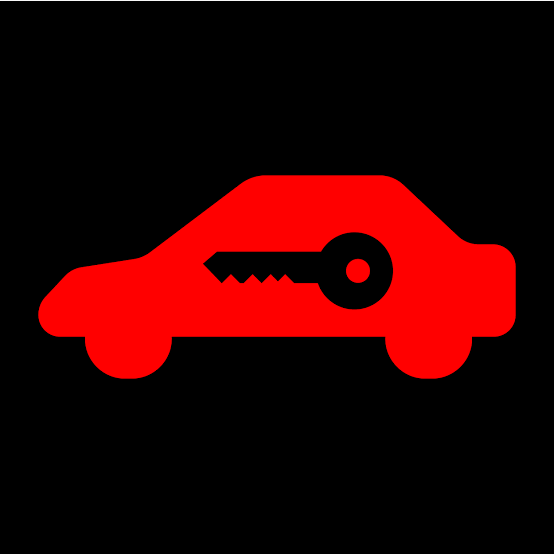
When the key symbol appears as a dashboard warning light, it usually indicates one of two things: either the immobilizer system is active and waiting for the correct key, or there is a fault in the system that prevents it from recognizing the key at all. In a properly working system, the light should turn off within a few seconds of inserting the key or pressing the start button. If it stays on or flashes, the car is telling you that the security system has not been satisfied.
If the light stays on solid, it often means the key fob's transponder chip is not communicating properly. A flashing light can indicate a more serious immobilizer fault Nissan, such as a corrupted code in the ECU or a problem with the ignition antenna ring that reads the chip.
Common causes of immobilizer faults in Nissans
Several things can go wrong that produce the key symbol warning. Here are the most frequent issues we see in practice.
- Weak or dead battery in the key fob. The transponder chip needs power to send its code. If the fob battery is low, the signal may be too weak for the ECU to read reliably.
- Damaged or worn key fob. Dropping a fob repeatedly can crack the internal circuit board or dislodge the transponder chip. Water damage is another common culprit.
- ECU memory corruption. After a dead car battery or a jump start, the ECU can lose sync with the key code. This is more common on older Nissans.
- Faulty ignition ring or antenna. The ring around the ignition barrel that reads the transponder chip can fail, especially on high-mileage cars.
- Aftermarket alarm or remote start interference. An improperly installed aftermarket security system can confuse the factory immobilizer system.
Any of these can produce the immobilizer fault Nissan warning. The key is knowing which one you are dealing with before you start replacing parts.
What to check before calling a professional
If the key symbol appears and your car won't start, there are a few simple checks you can do yourself. Start with the most obvious: try your spare key fob. If you have a second fob that came with the car, and the car starts with it, the problem is almost certainly in the first fob. If the spare fob also fails, the issue lies somewhere in the car's electronics.
Next, check the battery in the key fob. Even if the fob still works for keyless entry at a short distance, the transponder chip inside requires a specific power level to be read by the ignition ring. A battery that is not completely dead but is borderline can cause intermittent faults. Replacing the battery is cheap and easy, and it solves a surprising number of immobilizer faults.
If the fob battery is fresh and the problem persists, try disconnecting the car's main battery for a few minutes. This forces the ECU to reset and sometimes re-sync with the key codes. On many Nissan models, you can do this by removing the negative terminal, waiting five minutes, and reconnecting. After reconnecting, the ECU may need to go through a learning cycle with the key. Follow the procedure in your owner's manual, which often involves turning the ignition on and off in a specific sequence.
When to seek professional help
If the simple checks do not clear the immobilizer fault Nissan, the problem is likely in the ECU, the ignition ring, or the wiring between them. At this point, a diagnostic tool becomes necessary. An automotive locksmith or a Nissan service technician can read the fault codes stored in the ECU. These codes tell you exactly which component is failing. Without that information, you are guessing.
An experienced automotive locksmith who specializes in car security systems can often reprogram a new or used ECU to match your existing keys, or replace the ignition ring and antenna assembly. This is usually faster and less expensive than going through a dealership, especially on older models. A Nissan service center will have factory diagnostic tools and access to the latest software updates, but their labor rates tend to be higher.
If the ECU itself has failed, replacement may require programming from the manufacturer or a specialist. This is not a job for a general mechanic, because the immobilizer system is tied into the car's VIN and security protocols. A generic ECU from another Nissan will not work without being reprogrammed to your car's specific codes.
Preventing future immobilizer faults
Once the problem is fixed, there are a few habits that can reduce the chance of it happening again. Keep your key fob dry and avoid dropping it. Replace the fob battery every couple of years, even if it still seems to work. If your car has an aftermarket security system, make sure it is professionally installed and does not interfere with the factory SRS system (the Nissan security system that controls the immobilizer).

If you are planning to sell the car, make sure the new owner has both key fobs and knows how to pair them. A lost or broken fob can trigger an immobilizer fault Nissan for the next owner, and they may not know the car well enough to troubleshoot it.
Final thoughts on the key symbol warning
Seeing a dashboard warning light that stops your car from starting is always unsettling, but the immobilizer system is there for a reason. It protects your Nissan from theft. When it goes wrong, the culprit is usually something simple like a low fob battery or a lost sync between the key and the ECU. With a methodical approach, you can often get the car running again without a trip to the shop. When the fault is more complex, a qualified automotive locksmith or a Nissan service technician can get you sorted quickly. The key symbol is not a death sentence for your car. It is just the car's way of saying that its security system needs attention.